The Cold Chain in the Aisle: Supermarkets Are the Emissions Story Shoppers Keep Missing
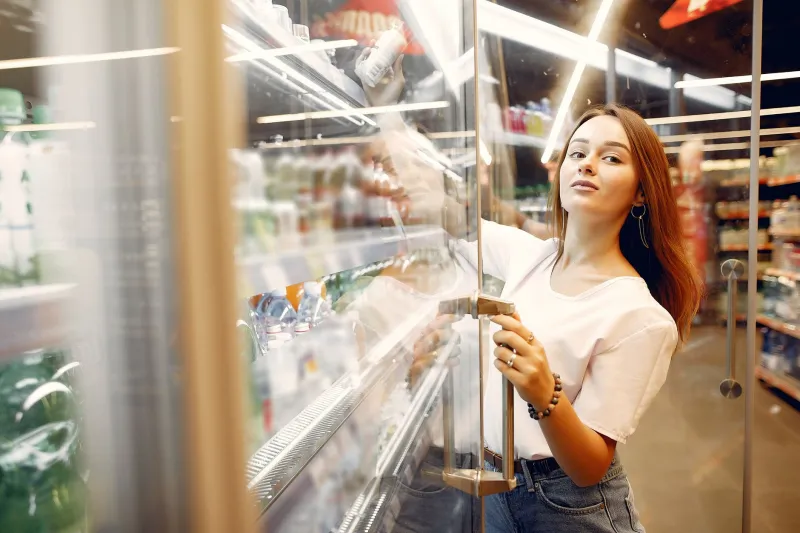
There is a ritual well known to the climate-conscious American shopper. You check the label for country of origin. You weigh whether the tomatoes came from Mexico or a greenhouse in Ohio. You feel a flicker of guilt about the plastic clamshell, then choose the paper-wrapped alternative. You have, by the conventional wisdom, done your part.
Here is the uncomfortable part: the emissions you just scrutinized are, in many cases, a rounding error compared to what happens inside the building you're standing in.
The Refrigerator the Size of a Warehouse
A typical American supermarket runs dozens of cases of refrigeration around the clock, 365 days a year. Those systems historically relied on hydrofluorocarbon refrigerants — gases that, pound for pound, can trap thousands of times more heat than carbon dioxide. The industry's own leak rates are sobering: a meaningful share of refrigerant escapes annually through worn seals, aging compressors, and routine servicing.
The Environmental Protection Agency has moved to phase down HFCs, and newer stores are adopting CO2-based and ultra-low-GWP systems. But the installed base is old. Every leaking display case in every aging store is a slow-motion climate release that no amount of local produce buying can offset.
The Lights Never Go Out, and Neither Does the Waste
Walk through a grocery store at 3 a.m. and the aisles will be fully lit, the freezers humming, the HVAC running. Retail food is one of the most energy-intensive building types in the country per square foot, and a large share of that load serves no customer at all.
Then there is the waste itself. Retail food waste — produce pulled for cosmetic standards, dairy past its sell-by date, prepared foods that didn't sell — represents an enormous embodied-carbon loss. Everything grown, irrigated, fertilized, harvested, trucked, and chilled, only to end up in a landfill producing methane, is the most complete form of climate waste the food system offers.
What Actually Moves the Needle
This is not an argument for shopper paralysis. It is an argument for reallocating attention. Ranked roughly by impact:
- Eat less beef and dairy. No packaging decision comes close. Ruminant production is the single largest emissions item in most American carts.
- Waste less of what you buy. Household food waste rivals retail waste. Meal planning beats food miles every time.
- Support retailers investing in low-GWP refrigeration and waste recovery. Chains that publish refrigerant and waste data are making verifiable choices; those that don't are asking you not to ask.
- Then worry about packaging and distance — they matter, just less than the mythology suggests.
Holding the Store Accountable
The deeper point is structural. Individual shoppers cannot fix a refrigerant leak. They can, however, demand transparency — refrigerant disclosures, waste audits, energy benchmarks — the way they demanded recycled packaging a decade ago. Progressive grocers have shown that transparent reporting is commercially survivable and operationally clarifying.
The grocery aisle blind spot persists because the store's emissions are invisible: gases escape silently, waste leaves by the back door, and the lights are simply always on. Making the invisible visible is the oldest job environmental journalism has. Consider this the shopping list.