Docked and Draining: The Staggering Environmental Cost of America's Mostly Idle Recreational Boating Industry
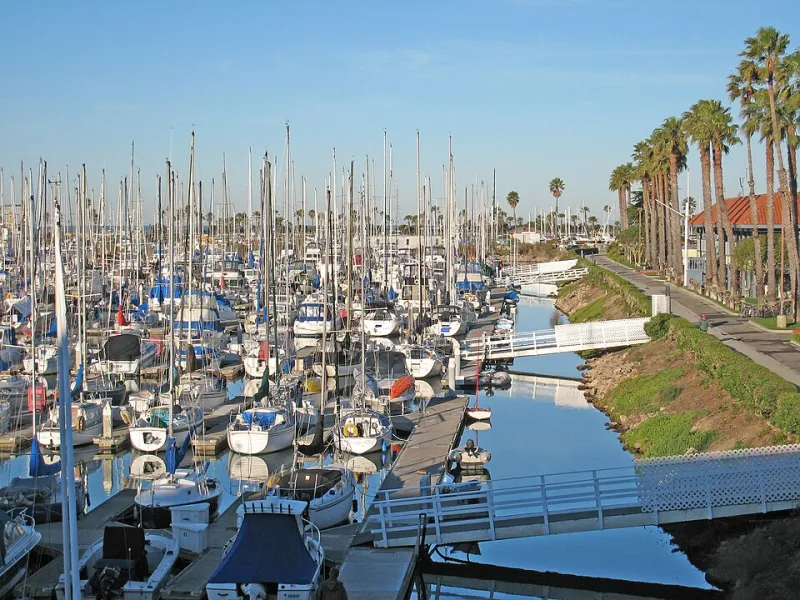
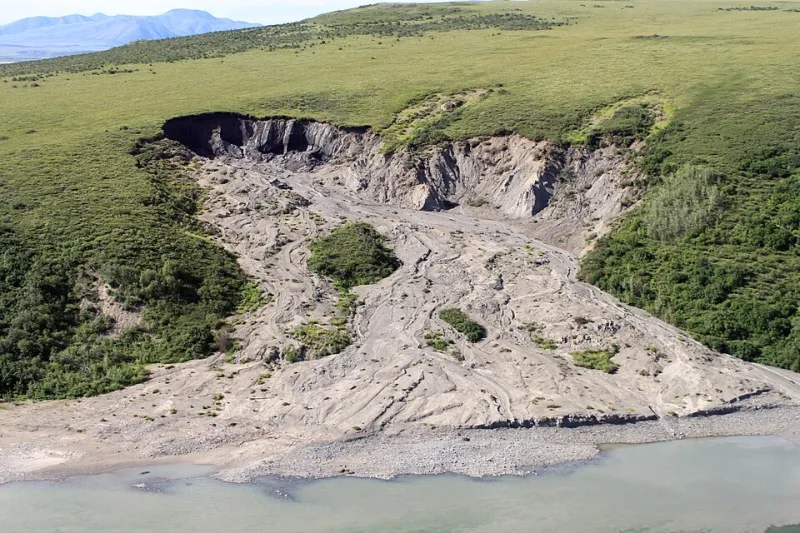
Photo: Department of the Interior. U.S. Fish and Wildlife Service. National Conservation Training Center. 10/1997-8888, Public domain, via Wikimedia Commons
On any given summer weekend along the Chesapeake Bay, Lake Michigan, or the Gulf Intracoastal Waterway, recreational boats trace their familiar white wakes across the water. The image is quintessentially American — leisure, open sky, and the rumble of an outboard engine. What that postcard obscures, however, is a quieter and far more troubling reality: for every boat on the water, dozens more sit dormant in boatyards, storage facilities, and suburban driveways, accumulating carbon debt without moving a single nautical mile.
The United States is home to an estimated 9.4 million registered recreational vessels, according to the National Marine Manufacturers Association. Industry surveys consistently suggest that the average recreational boat is used somewhere between 10 and 20 days per year. That means the overwhelming majority of these vessels — representing an enormous sunk investment in steel, fiberglass, aluminum, and fossil fuels — spend roughly 95 percent of their lives doing nothing at all. Nothing productive, that is. Their environmental liabilities accrue around the clock.
The Carbon Arithmetic of Manufacturing and Maintenance
The environmental reckoning for a recreational boat begins long before its hull ever touches water. Manufacturing a mid-size fiberglass motorboat requires energy-intensive processes — resin production, mold fabrication, engine casting, and gelcoat finishing — that collectively generate a substantial carbon footprint. Lifecycle analyses of fiberglass vessels suggest that manufacturing alone can account for several metric tons of CO₂-equivalent emissions per boat, a figure that scales alarmingly when multiplied across millions of units.
Fiberglass itself compounds the problem at the other end of a vessel's life. Unlike steel or aluminum, it cannot be efficiently recycled. Decommissioned boats are frequently abandoned, landfilled, or, in documented cases along coastal states, illegally scuttled. The European Union has begun grappling with this "ghost boat" epidemic formally; the United States has no comprehensive federal policy addressing end-of-life vessel disposal. Thousands of abandoned recreational boats currently litter American coastal waterways, slowly degrading and leaching chemical compounds into surrounding ecosystems.
Then there are the engines. The majority of recreational motorboats in the United States are powered by two-stroke or four-stroke gasoline engines — technology that, in many cases, lags significantly behind automotive emissions standards. The Environmental Protection Agency has tightened marine engine regulations over the past two decades, but older engines remain in wide circulation and face far less scrutiny than their road-going counterparts. A single high-powered outboard motor operating at full throttle can consume fuel at rates that would be considered scandalous in any other consumer context.
Antifouling Paint: The Slow Poison Beneath the Waterline
Perhaps the least-discussed environmental liability associated with recreational boating is what happens to the hulls between voyages. To prevent the accumulation of barnacles, algae, and other marine organisms, boat owners routinely apply antifouling paint to underwater surfaces. These coatings have historically relied on biocides — most notably copper compounds — that leach continuously into surrounding water.
Studies conducted in enclosed marina environments along the California coast, the Puget Sound, and the Chesapeake Bay have detected copper concentrations at levels toxic to marine invertebrates, disrupting the base of aquatic food chains. The irony is pointed: boats that sit unused the vast majority of the year continue releasing these chemicals into the very ecosystems their owners ostensibly visit to enjoy. California has moved to restrict certain copper-based antifouling products, but national standards remain inconsistent and enforcement is sporadic.
Alternative hull coatings — silicone-based foul-release systems, non-toxic enzyme coatings, and ultrasonic antifouling devices — exist and are gaining traction among environmentally conscious boaters. Their adoption, however, remains modest relative to the scale of the problem, partly because of higher upfront costs and partly because the regulatory pressure to switch has been insufficient.
The Culture of Ownership and Why It Persists
Understanding why Americans continue purchasing and holding onto boats they rarely use requires engaging with something deeper than simple economics. Boat ownership in the United States carries significant cultural weight — it is bound up with ideals of freedom, self-sufficiency, and access to nature that resist purely rational cost-benefit analysis. For many owners, the boat represents aspirational identity as much as practical transportation.
The financial structure of boat ownership also obscures its true costs. Marina fees, insurance, winterization, and maintenance expenses are spread across the year in ways that make the per-use cost psychologically invisible. Behavioral economists refer to this as the "sunk cost" dynamic: once the purchase is made, owners tend to rationalize continued holding even as usage dwindles. Boat dealers and manufacturers have little commercial incentive to challenge this psychology, and the broader culture of recreational boating actively reinforces it.
Meanwhile, the environmental externalities — contaminated waterways, manufacturing emissions, end-of-life disposal — are borne not by individual owners but by the public and the ecosystems they degrade.
Shared Economies and Smarter Policy
The structural solution most readily available is also the one most consistent with broader sustainability principles: shifting recreational boating from an ownership model to a shared-access model. Boat-sharing platforms, including companies like Boatsetter and GetMyBoat, have begun demonstrating that on-demand access can satisfy recreational demand while dramatically reducing the total number of vessels required. A single well-maintained shared boat, utilized by dozens of users annually, represents a fraction of the per-user environmental cost of individual ownership.
Marinas and waterfront municipalities could accelerate this transition through tiered slip-fee structures that impose higher costs on vessels demonstrating chronically low usage, while offering incentives for owners who participate in sharing programs. Such policies would require careful political navigation — boating communities are organized and vocal — but precedents exist in other sectors where shared-use incentives have successfully reduced resource consumption.
On the regulatory front, a coherent federal framework for end-of-life vessel disposal is long overdue. Extended producer responsibility legislation — requiring manufacturers to fund and manage decommissioning programs — would create market incentives to design boats for recyclability from the outset. The European Union's emerging approach to this problem offers a useful template that American policymakers have thus far declined to adopt.
Stricter and more uniformly enforced standards for antifouling coatings, phasing out the most harmful copper-based products on a national timeline, would also deliver meaningful ecological benefits in marina-dense regions.
An Overlooked Liability the Climate Conversation Cannot Afford to Ignore
Recreational boating does not register prominently in mainstream climate discourse. It lacks the scale of aviation or automotive transport, and its harms are diffuse enough to escape the attention of most environmental advocates. But at nine million vessels and counting — most of them idle, many of them aging, and virtually none of them subject to meaningful end-of-life accountability — the recreational boating industry represents a category of environmental liability that a serious sustainability agenda cannot continue to overlook.
The boats will not disappear overnight, nor should policy aim for their elimination. Americans' relationship with open water is genuine and, in many respects, worth preserving. What is neither genuine nor worth preserving is a system that allows millions of carbon-intensive, chemically hazardous assets to sit unused for the better part of every year while their costs are quietly transferred to the atmosphere, the waterways, and future generations.
The wake, it turns out, extends far beyond what any single vessel leaves behind.