Front Yard Wildlands: The Quiet Rebellion Turning American Turf Into Habitat
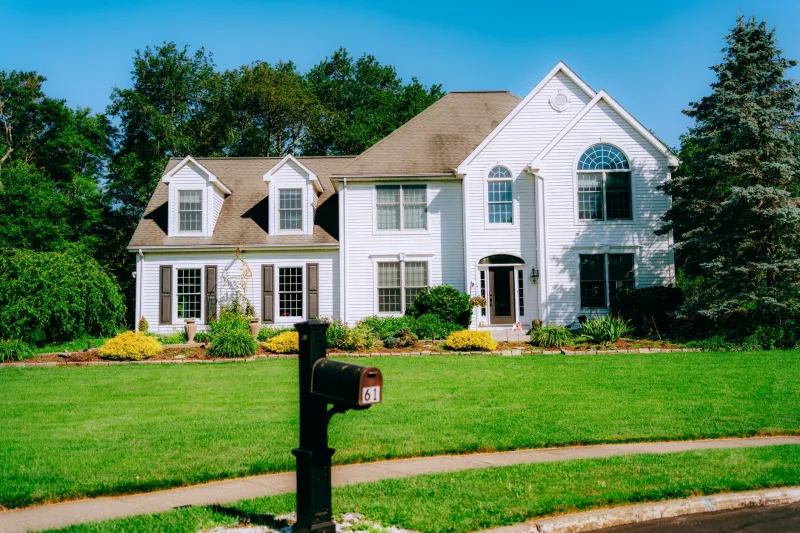
The front lawn has long functioned as a kind of civic contract. Green, flat, obedient — it signals that a homeowner belongs, that the neighborhood is orderly, that property values are safe. But in subdivisions from suburban Ohio to drought-stricken Arizona, that contract is being renegotiated, one shovel at a time.
Homeowners are ripping out turf and replacing it with coneflowers, milkweed, little bluestem, and oak saplings. Ecologists call it reintroducing native plant communities. Neighbors, sometimes, call it something less charitable. Either way, the transformation of America's yards may rank among the most underappreciated ecological shifts happening on private land today.
The Ecological Arithmetic of Grass
Turf grass is not inherently evil, but it is ecologically inert in ways that matter. Roughly 40 million acres of the continental United States are covered in lawn — more than the combined footprint of the country's national parks. Yet a mowed monoculture of non-native grass supports almost none of the food web that native insects, birds, and soil organisms depend on.
Entomologist Douglas Tallamy, whose research at the University of Delaware has become the intellectual backbone of the movement, puts it bluntly: a yard without native plants is a food desert for the caterpillars that songbirds need to raise their young. A single brood of chickadees requires thousands of caterpillars, and those caterpillars, in turn, require specific native host plants. A row of exotic ornamentals or a carpet of fescue offers them nothing.
The benefits of swapping turf for natives compound quickly. Deep-rooted prairie species like switchgrass and wild indigo draw carbon into the soil and let rainwater infiltrate rather than run off into storm drains. Reduced mowing means reduced emissions from gas-powered equipment, which the EPA estimates contributes meaningfully to summertime smog. And in water-stressed states like California, Nevada, and Texas, xeriscaping can cut outdoor water use by 60 percent or more — a gain that has prompted some utilities to pay homeowners by the square foot to convert.
Bureaucracy in the Flowerbeds
The obstacle, more often than not, is not ecology but paperwork.
Municipal weed ordinances in towns across the Midwest prohibit vegetation above eight or ten inches, a standard written decades ago with tidy turf in mind. Homeowners associations — which govern a substantial share of American single-family housing — frequently enforce aesthetic covenants that treat a pollinator meadow as a nuisance rather than an asset.
The pushback has produced a wave of legislative correction. Illinois, Minnesota, and Maryland have all passed or strengthened laws limiting local governments' ability to ban natural landscaping. Missouri's courts sided with a St. Louis County couple who fought their HOA over a front-yard wildflower garden, and similar disputes continue to surface in state legislatures each session. What was once a fringe gardening choice is now a recognized property-rights and land-use question.
What the Data Shows When Lawns Come Out
The biodiversity gains are not theoretical. Residential habitat studies, including long-running citizen science projects like Homegrown National Park and neighborhood bird counts, document measurable increases in native bee abundance and caterpillar biomass on converted lots within a couple of growing seasons. Soil sampling shows improving organic matter. Thermal readings show cooler microclimates than adjacent turf during heat waves — a small but relevant detail as American cities confront intensifying summer temperatures.
There is also a quieter hydrological story. Native plantings act as distributed stormwater infrastructure, absorbing the intense rain events that aging municipal systems were never designed to handle. For cities staring down billion-dollar drainage upgrades, millions of spongy front yards are a bargain.
From Aesthetics to Ethic
Critics of the movement raise fair concerns. Poorly planned conversions can look neglected, invite complaints, or introduce aggressive species if 'native' is treated loosely. The answer emerging from landscape designers and extension services is legibility: defined edges, curated plant palettes, and signage that signals intention. A wild yard can be tidy in structure even when it is riotous in bloom.
The deeper shift, though, is cultural. The lawn was always an imported aspiration — an emblem of English estates transplanted onto a continent it never fit. The homes growing in its place represent something else: an admission that private land carries public ecological obligations, and that the front yard is not exempt.
America will never be rewilded one lot at a time entirely. But the great lawn swap underway suggests that when homeowners are given permission — legal, cultural, and horticultural — to garden for the ecosystem rather than the curb appeal of 1955, many of them will.